
Laws & Rules
The Importance of Pet Identification and Licensing
With the increasing number of pet-owning families, more and more countries are implementing pet identification and registration systems. Whether it's implanting electronic chips in dogs, wearing identification tags, or registering and licensing pets, these measures aim not only to facilitate management but, more importantly, to protect the rights of both pets and their owners. For many pet owners, identification and registration may seem like a simple procedure, but this information often plays a crucial role when a pet goes missing, has an accident, or involves legal liability.

What is Pet Identification?
Pet identification refers to confirming a pet's identity through specific methods, giving each pet a unique record.
The most common methods currently include:
- Electronic chips (microchips)
- Pet ID tags
- Pet registration certificates or licenses
- Registration in official pet databases
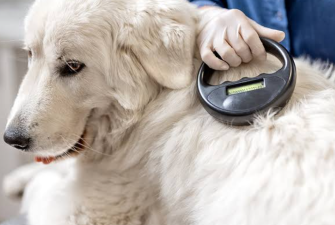
Among these, electronic chips have become the most prevalent identification method in many countries. The chip, only the size of a grain of rice, is implanted under the pet's skin and stores a unique number permanently. Veterinarians, shelters, and related agencies can read the information using scanning devices to help confirm the pet's identity.
Why are more and more countries requiring pet registration?
Establishing a pet registration system not only facilitates government management but also provides greater protection for pet owners. Increased Lost Pet Recovery Rate
Lost pets are a major concern for many owners
If a pet is microchipped and registered, staff at animal hospitals or shelters can quickly contact the owner after it's taken to a veterinary hospital or shelter, significantly increasing the chances of a successful recovery.
Compared to collars or tags alone, microchips are less likely to fall off and are more reliable.
Clarified Pet Ownership
Identity registration proves a pet's legal ownership.
In cases of lost, stolen, or disputed sales or adoption, registration information serves as crucial evidence to help identify the rightful owner.
Facilitated Disease Control
Many regions link pet registration with vaccination information.
For example, local governments can promptly track rabies vaccination status and quickly notify relevant pet owners in the event of an animal epidemic, reducing the risk of disease transmission.
Improved Community Management Efficiency
The registration system also helps the government understand the local pet population, rationally plan public facilities, and strengthen the management of stray animals.
Some cities also use registration information to provide public services such as sterilization subsidies and vaccination promotion, improving overall animal welfare.
What is the purpose of a pet license?
In some countries and regions, registration alone is not enough; some pets require a license.
Licenses are typically applicable to:
- Dog ownership
- Special breeds
- Exotic pet ownership
- Breeding permits
- Large dog management
Regulations vary by region. Applications may require proof of vaccination, microchip number, or sterilization/neutering certificate.
Failure to obtain a license as required may result in fines, and in severe cases, may even affect the pet's continued ownership.
What responsibilities do owners bear?
Registration is not a one-time process; pet owners need to update relevant information regularly.
For example:
- Update registration information after changing address.
- Update contact information promptly when it changes.
- Change information after transferring or giving away the pet.
- Cancel registration according to regulations after the pet's death.
Maintaining accurate information is crucial to ensuring the registration system functions effectively.
Which countries have widely implemented pet registration?
Currently, many countries have established relatively comprehensive pet identification management systems.
For example, some European countries require dogs to be microchipped and officially registered; many regions in countries like Australia and New Zealand have dog registration systems; and in the United States, dog licenses and registrations are typically handled by states, cities, or counties according to local regulations.
While specific regulations differ, the overall trend is to increase pet traceability, strengthen owner responsibility, and reduce the number of stray animals.
Conclusion
Pet identification and registration are not only administrative measures but also crucial tools for ensuring pet safety. A simple microchip implantation, registration, or license application can play a significant role in cases of lost pets, disputes, or when medical assistance is needed.
As animal management systems in various countries continue to improve, understanding and complying with local regulations regarding pet identification and registration can not only reduce legal risks but also provide pets with a safer and more stable life.